





There’s something not quite right, but you can’t put your finger on it. It might be your third week in a row where you’re staring at the ceiling at 2 a.m., or how your patience seems to melt away over little things that didn’t even matter to you in the past. But that “I’m okay, but” gap is where most people live for months, even years, before seeking mental health care.
Of course, that’s understandable since admitting you might be in need of help is almost always an admission of failure, even though it couldn’t be further from the truth. You
will find below information on the warning signs for mental health disorders, their meaning, and how therapy and mental health treatment are carried out.
Early Warning Signs That You May Require Mental Health Treatment
Mental health rarely falls apart overnight. It erodes in small, deniable increments, a missed
deadline here, a canceled plan there, until one day the pattern is too obvious to ignore. Knowing what to watch for gives you a head start on getting ahead of it.
Emotional and Behavioral Red Flags
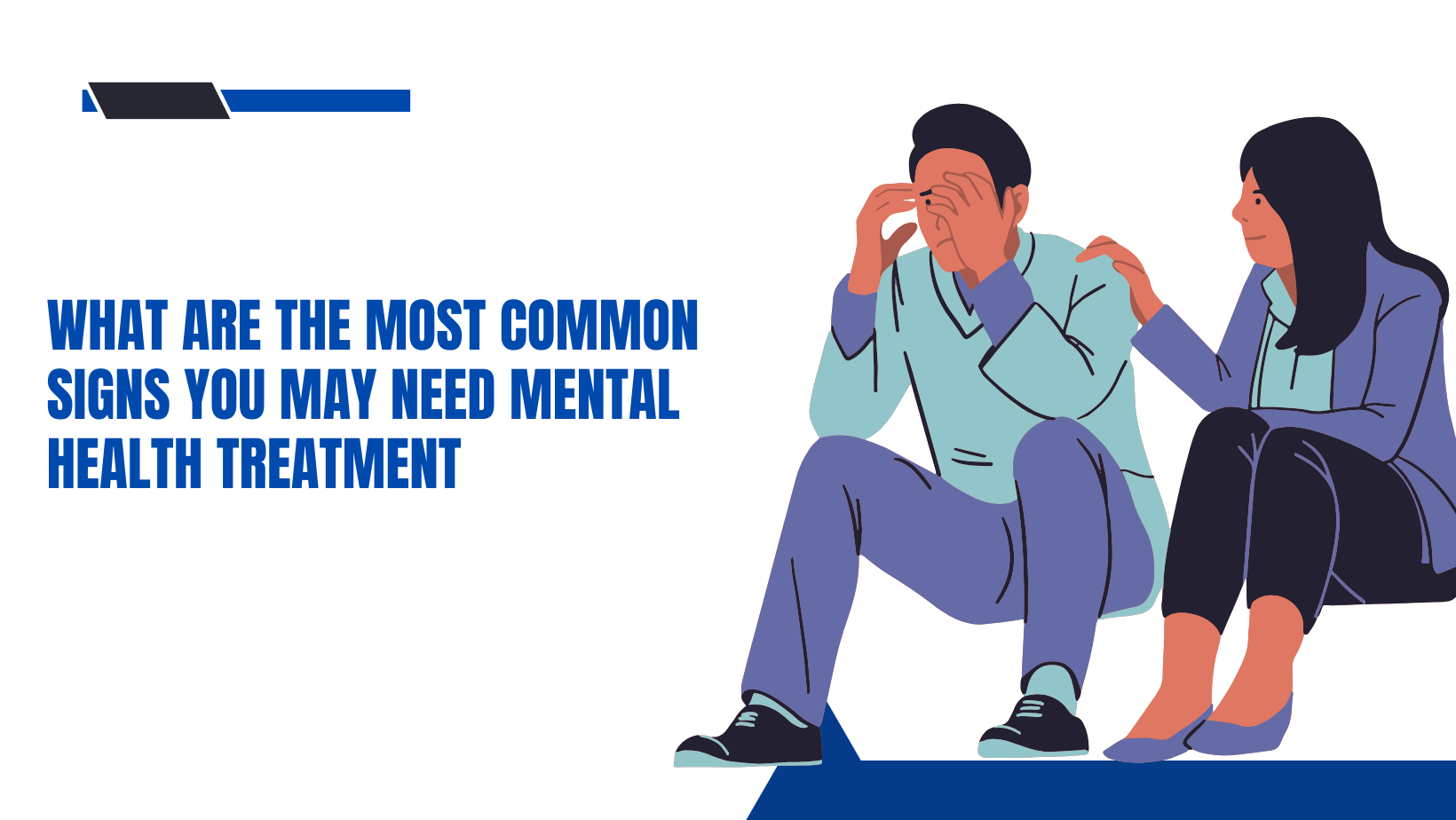
- Sadness, irritability, or numbness that lingers for weeks instead of passing in a day or two.
- Pulling away from friends, family, or activities that used to feel worthwhile.
- Sleep and appetite swinging to extremes, barely eating or eating for comfort, sleeping constantly or barely at all.
When Daily Life Starts Slipping
Work performance dips. People fail to pay their bills. Taking a shower or answering texts becomes a job. This is not about personality; rather, it may be one of the most obvious
signs of the need for treatment regarding one’s psychological state. As staff members of Overcoming Addiction, we have come across many patients who had considered such symptoms to mean nothing more than tiredness for several months.
How Therapy and Counseling for Mental Health Can Help
If you’ve decided to seek out help, the natural question becomes: what do you even do then? The answer will be different for everyone, but there are some common steps that will
likely be followed.
What to Expect During a Behavioral Health Treatment
An appointment with a trained professional is far different from what is shown on television. There is an evaluation stage where there will be a series of questions on matters
such as sleep, stress, relationships, and history. This way, the care team can design the treatment program based on that individual rather than some generic assessment tools.
Common Mistakes People Commit before Getting Help
The first mistake made by many people isn’t delaying getting professional help with their
psychological well-being too much, but rather waiting until there’s a reason for them to do that. One does not have to fall from grace before they become worthy of assistance. A further common error is the belief that professional help should be considered only when all else fails.
FAQs
What’s the difference between mental health therapy and mental health counseling?
There is not much difference between those two terms in practice. In general, the therapy term means a longer process, while counseling may be short-term and deal with a
A particular problem. However, both mental health therapy and mental health counseling are treatments provided by professionals and fall under the same category of services.
Is it possible for behavioral health intervention to deal with both issues of mental health and drug abuse simultaneously?
Yes, and in most cases, it must do so. Issues of mental health and drug abuse go hand in hand and hence dealing with them simultaneously is more beneficial than doing so one at a time.
Is medication always used to treat mental wellness?
No. Even though some individuals have been found to benefit from medication, others can be found to gain immensely even without medication. Only a licensed medical expert will be
able to suggest the right medication for you depending on your symptoms.
Is online trauma therapy as effective as in-person therapy?
For Most trauma and PTSD presentations, yes. There is evidence from the VA and other major health organizations indicating that symptom reductions with the use of video therapy are similar to those experienced through in-person trauma therapy.
But what if I am still not sure whether I need any help at all?
It is absolutely natural, and it cannot serve as an excuse for delay. One session might just be
enough to tell if continuing the treatment would make sense for you or not.
Conclusion
- Any mood shifts, changes in sleeping patterns, fatigue, and overall functionality should not be overlooked.
- The effectiveness of mental health treatment and counseling is maximized when it is provided before a crisis situation emerges.
- Your mental and behavioral health treatments will vary from those of other individuals; hence the need for personalization of these treatments.
If this seems to sound familiar to you, there is no need for you to try handling it on your own. At Overcoming Addiction, we understand and cater to individuals who are struggling
with mental health issues and addiction issues, providing individualized treatment plans based on their current situations.
Also read: