

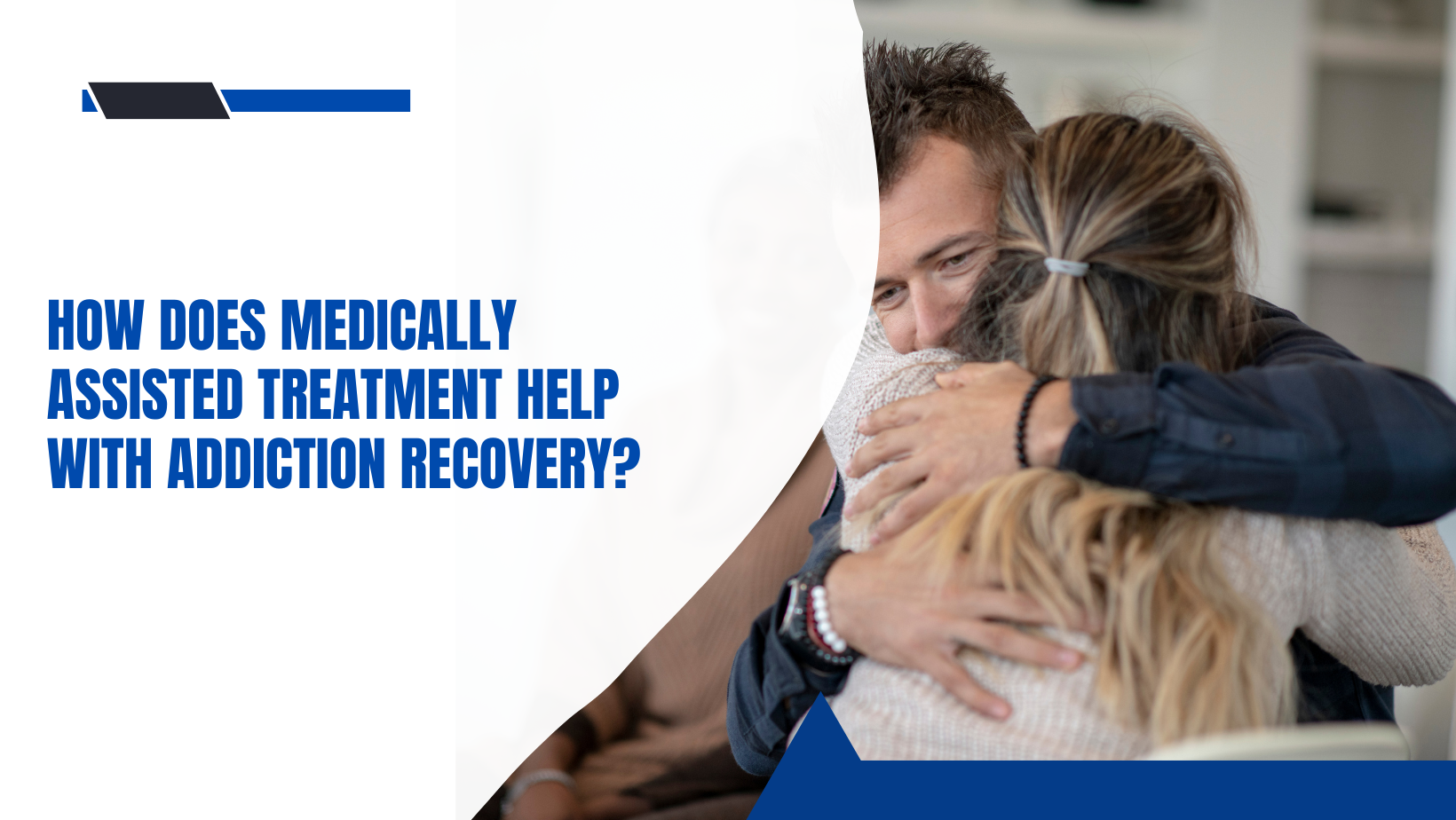
Only a few people who have struggled with substance abuse end up describing themselves as being in recovery. Getting there rarely happens on willpower alone, which is exactly why Medically Assisted Treatment has become one of the most studied and effective paths to that outcome, especially for opioid and alcohol use disorders. At its core, MAT for addiction recovery pairs FDA-approved addiction recovery medication with real counseling and ongoing medical supervision, a combination that sounds clinical right up until you talk to someone whose cravings finally quieted down enough for them to think clearly again. This post walks through how Medically Assisted Treatment actually works and what the benefits of medically assisted treatment look like in a program like the one at Overcoming Addictions LLC.
What Medically Assisted Treatment Actually Looks Like
Medically Assisted Treatment isn’t a single prescription handed over and forgotten. It’s a coordinated plan built around addiction recovery medication that manages the physical grip of addiction, therapy that deals with the behavioral side, and a provider who keeps adjusting the plan. Strip away the paperwork, and it comes down to treating addiction like any other chronic condition- with a plan that evolves, not a one-size prescription.
The Building Blocks of MAT
- Approved drugs by the FDA for addiction treatment, such as buprenorphine (also called Suboxone), methadone, or naltrexone, which aid in decreasing cravings and assist in overcoming withdrawal without experiencing the “high” offered by the drug.
- Behavior therapy such as Cognitive Behavioral Therapy (CBT), Dialectical Behavior Therapy (DBT), and Motivational Interviewing.
- Medical monitoring of treatment with medications, where a doctor is involved in dosage management and follow-ups as opposed to a one-time prescription.
Why Medication Alone Isn’t the Whole Story
The major misconception lies in the fact that while medication helps the body stabilize, therapy builds life again around the body. A person using buprenorphine who never experiences stress, trauma, and situations that initially led to his/her drug abuse is prone to relapse. That is the reason for MAT in addiction recovery programs – including the one built by Dr. Fred Everette at Overcoming Addictions LLC – combining medication management with weekly coaching and even trauma-informed care.
The Real Benefits of Medically Assisted Treatment
Once the physical cravings settle, the benefits of medically assisted treatment show up fast; everything else gets more manageable. That’s the actual mechanism behind why Medically Assisted Treatment consistently outperforms abstinence-only approaches in research, and why the benefits of medically assisted treatment show up so clearly in long-term outcome data.
Consistency Beats Willpower
Addiction alters the reward pathways in one’s brain, and to ask someone to overcome that with the power of sheer will is a difficult wager indeed. With addiction treatment medication, however, all of this physical chaos is evened out so that one can show up for therapy, work, and social engagement without being constantly at war with their own addiction each day. Treatment programs that have check-ins every week, whether via telehealth appointments or coaching services, are able to recognize the red flags before a slip occurs.
Does Insurance cover MAT treatments?
Generally, almost all health insurance programs cover part of the Medication-Assisted Treatment (MAT). Most health insurance even covers the entire cost related to these treatments. This is a big deal.
Considering the coverage that can be extended in relation to MAT, it will be highly advisable for those intending to pursue MAT to approach their health insurance agency.
Misconceptions That Need to Be Addressed
The misconception that Medication-Assisted Treatment is merely substituting one addiction with another often makes people reluctant to start the process. This does not hold water under a physician’s management. The doses of buprenorphine and naltrexone are controlled in such a way as to balance the brain chemistry and are administered under professional oversight instead of being self-administered. Yet there is one more myth related to Medication-Assisted Treatment in addiction treatment, which suggests that medication treatment can only be applied to those people who are addicted to opioids. The fact is that medication treatment is possible even in the case of alcohol use disorder.
FAQs
What is medication-assisted treatment?
MAT, short for Medication-Assisted Treatment, is the process of using medication along with behavioral therapy as approved by the Food and Drug Administration in treating drug abuse. Unlike detox and willpower alone, MAT recognizes addiction for what it is, that is, a disease, and uses medication in conjunction with therapy.
What are the benefits of drug therapy?
Approved by the FDA for
treatment of opiate and alcohol abuse, Suboxone or naltrexone help reduce
craving and withdrawal symptoms, thus enabling counseling to be more effective.
In addition to counseling, treatment providers such as Overcoming Addictions
that offer medication-assisted treatment report better outcomes than those that
do not.
Examples of medication-assisted therapy are?
Amongst the most common prescriptions made for dealing with addiction are buprenorphine, methadone, and naltrexone, used in treating opiate addiction, and disulfiram and acamprosate. The different methods work in different ways, as some drugs assist in reducing withdrawal effects while others block the euphoric effects. This is the reason why it must be undertaken only under the guidance of a professional.
What is the average duration of a Medically Assisted Treatment program?
It really varies depending on individuals. While there are some who will begin the treatment program for 30 days and even up to 60 days, others would need to stay involved in the treatment process for 90 days or even more because of evidence-based research supporting this period.
Is Medically Assisted Treatment covered by insurance?
Many insurance plans offer at least partial reimbursement for MAT, though coverage varies by provider and plan, and that matters because the benefits of medically assisted treatment shouldn’t hinge on someone’s bank account. Telehealth programs like Overcoming Addictions LLC often keep self-pay costs low specifically so cost isn’t the reason someone delays getting help; it’s worth a direct call to your insurer to confirm your specific benefits.
Conclusion
- Medically Assisted Treatment utilizes addiction recovery medication, therapy, and medical care rather than expecting an individual to recover with sheer willpower.
- Research proves that MAT provides better retention rates, lower overdoses, and more successful outcomes compared to abstinence-based programs.
- The proper MAT for addiction recovery program addresses the entire person and not just the substance; it is the principle upon which Overcoming Addictions LLC has founded its telemedicine services.
Addiction rarely gets solved by trying harder. It gets solved by getting the right support in place, medically, emotionally, and practically. If you or someone you love is weighing MAT for addiction recovery, reaching out to a licensed provider is the first real step toward a plan built around your life instead of a generic checklist.
Also read: Suboxone Medication Treatment: Benefits, Uses, and What to Expect