





It’s 3 a.m. Once again, you’re counting sheep. If you can fall asleep right now, you will have four more hours before the alarm. You can’t fall asleep. One out of three adults has had this experience, and almost none ever seeks any help.
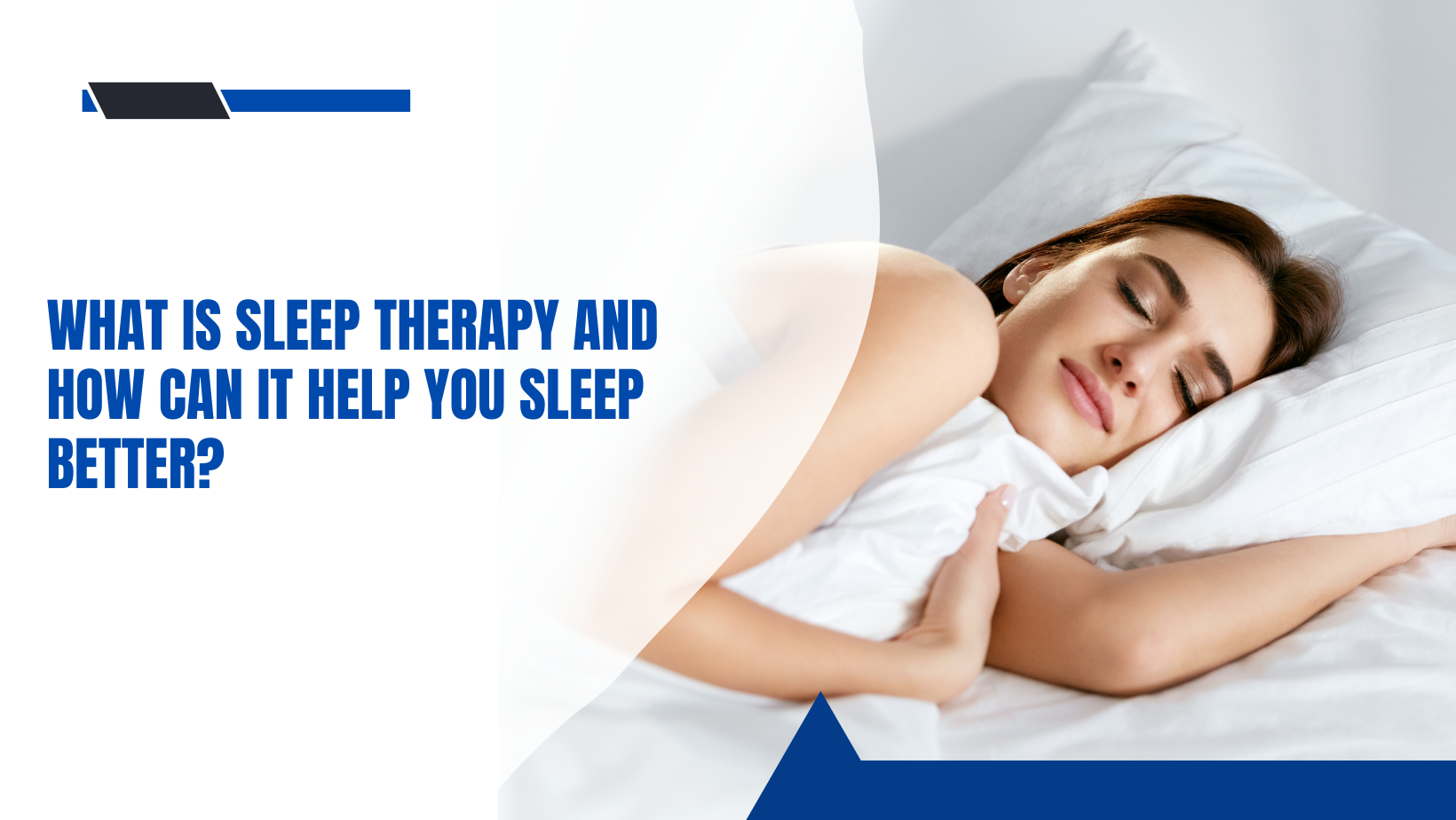
- Sleep therapy is an organized approach, based on science, aimed at treating sleep disorders, including insomnia, at the very core.
- Inadequate sleep is like a chain reaction; it influences your mood, concentration, interpersonal communication, and even the way you drink.
- That’s precisely what sleep therapy stands for; the difference between it and sleeping pills, and when you need to see a specialist.
What Is Sleep Therapy? And Why Is It Important?
Sleep therapy refers to medical intervention intended to resolve the root cause of your insomnia problem and not sedate you into false sleep. It’s the difference between silencing a smoke alarm and putting out the fire behind it. A pill knocks you out for a night; sleep therapy asks why you’re not sleeping, which is why so many people finally try sleep therapy for insomnia only after years of white-knuckling through bad nights.
Common Sleep Problems Sleep Therapy Addresses
Almost nobody struggling to sleep is dealing with just one thing. Usually it’s several problems stacked together:
- Insomnia, which is difficulty either falling asleep or staying asleep
- Sleeplessness induced by anxiety or stress (2 a.m. brain spin cycle)
- Poor sleep hygiene, like inconsistent bedtimes or scrolling in bed until midnight
- Medical contributors, including sleep apnea or restless leg syndrome
- Disruption associated with mood disorders, trauma, or drug use
The above sleep-related problems are very unlikely to occur independently, making a quick-fix approach impractical.
Why Sleep Therapy Outperforms Quick Fixes
Sleeping pills have their place, especially short-term. But they don’t teach your brain how to sleep on its own, and for some people they become a habit that’s hard to walk back. Sleep therapy takes longer to show results; that’s the trade-off, but it keeps working after treatment ends, because you’ve changed the patterns causing the problem. That’s what makes therapy for sleep problems the more durable option, not just a slower one.
How Sleep Therapy for Insomnia Actually Works
Good sleep therapy for insomnia isn’t a single trick. It’s a combination of methods, matched to whatever’s driving your sleeplessness.
The Core Methods Used in Treatment
- CBT-I (cognitive behavioral therapy for insomnia): is considered to be the gold standard or primary treatment for insomnia; it acts on the cognitive and behavioral aspects that cause your hyperarousal at bedtime.
- Relaxation techniques: include progressive muscle relaxation, guided imagery, and mindfulness, which lower arousal and allow the body to relax.
- Sleep hygiene training: involves maintaining constant time of getting out of bed, a cool and dark bedroom, and lowering caffeine and nicotine consumption before bedtime.
None of these work particularly well alone. A therapist who layers them together is what separates real sleep therapy for better sleep from the same tips you’ve read on a dozen wellness blogs.
What Treatment Actually Looks Like
A solid program starts with an honest assessment – your habits, your history, what’s keeping you up- then builds treatment around you, with check-ins along the way, since sleep problems rarely resolve in one session.
There is a relationship between mental health and addiction that is not easy to overlook in this instance. Insomnia aggravates anxiety and depression, and it is known to be a factor in relapse among those recovering from their dependence on alcohol and drugs.
That’s the approach Overcoming Addiction LLC takes with its telehealth sleep therapy services – pairing CBT-I, relaxation techniques, and sleep hygiene coaching with the same integrated, judgment-free model the practice uses for mental health and substance use treatment. Care happens over video from home, with a team that treats sleep as connected to your whole health, not a problem to hand off.
FAQs
What does sleep therapy help with?
Mainly insomnia, but also anxiety-driven wakefulness, irregular schedules, and disruption tied to stress, mood disorders, or substance use recovery – fixing the pattern, not just one bad night.
What is the 3-3-3 rule for sleep?
Two guidelines. One’s diagnostic: poor sleep three nights a week, for three months or longer, affecting three areas of life – energy, mood, concentration – signals clinical insomnia worth evaluating. The other’s behavioral, avoid exercising, having large meals, and drinking coffee for three hours before going to bed.
How can you improve your sleeping pattern?
Keep a consistent sleep and wake time, even on weekends. Cut caffeine and screens before bed. Build a wind-down routine that tells your brain it’s time to slow down.
Is sleep therapy the same as taking sleep medication?
No. Medication helps short-term but doesn’t touch why you’re not sleeping. CBT-I changes the underlying behaviors and thought patterns, which is why results stick around after treatment ends.
How do I know if I need professional help for my sleep?
If poor sleep has dragged on for weeks, or it’s messing with your mood, focus, or relationships, that’s a sign it’s time for real support – especially alongside stress, anxiety, or substance use.
Conclusion
Sleep problems rarely fix themselves. Pushing through them makes everything else – mood, focus, relationships, recovery – harder than it needs to be.
- The treatment for sleep aims at addressing the cause and not merely the symptoms.
- This is possible through cognitive behavioral therapy for insomnia, relaxation training, and sleep hygiene training.
- Without treatment, normal sleep disorders are likely to lead to anxiety, depression, and abuse of alcohol.
If you have been having difficulty sleeping regularly, then perhaps it’s time to consult a sleep doctor. Overcoming Addiction LLC offers telehealth sleep therapy built around exactly that – reach out for a consultation and take the first real step toward sleeping through the night again.
Also Read: