








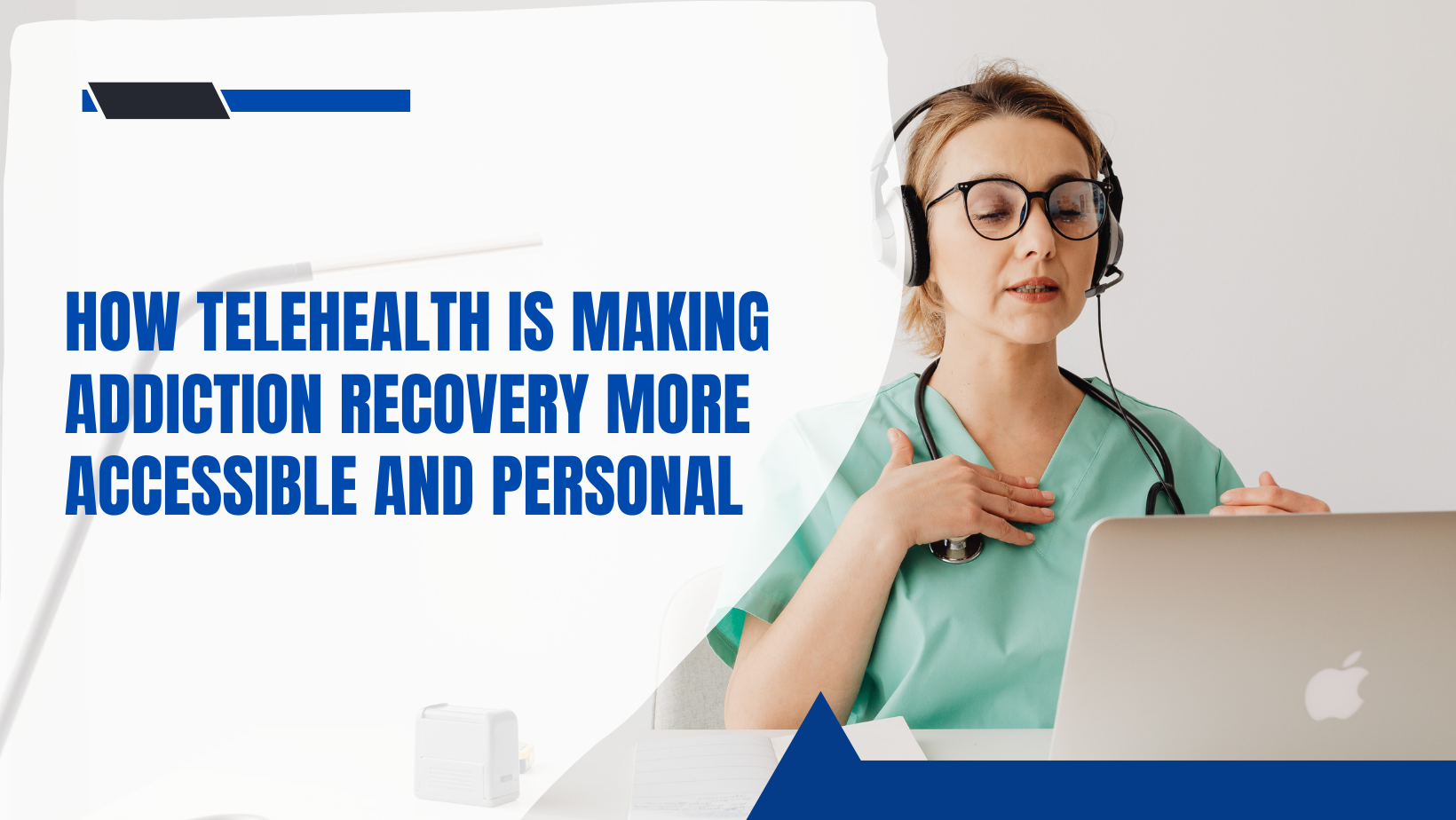
Around 40 million people are fighting addiction in the US. With less than half receiving the care and support they need. Addiction recovery remains a gruesome battle to be fought in America.
People who live in rural areas, working professionals, and single parents often find themselves struggling to make time for therapy, help groups, or even just to get out of the house. With virtual addiction counseling, they don’t have to leave the house or make changes in their routine to see a therapist or be in a recovery group.
Fortunately, modern medicine has come a long way to help people through addiction recovery. Telehealth is one such transformative way to help people with their addiction and provide much-needed treatments virtually.
What is Telehealth?
Telehealth simply refers to delivering medical help virtually. It mostly helps people who live remotely or don’t have the privilege to get access to conventional healthcare.
During COVID-19, many people started to attend more and more virtual therapy sessions; with that, the idea of telehealth was born. Today, people have access to a Wi-Fi and, with a phone or laptop, can get appointments to see their health professional virtually. With this, telehealth gained popularity for its accessibility, flexibility, and convenience.
Benefits of Telehealth in Addiction Recovery:
1. Less Stigma Associated with Telehealth
Many people know they need help, but they hesitate due to the stigma associated with therapy and addiction recovery journeys.
People have admitted that fear of judgment and stigma around addiction recovery support have kept them away from getting help. With online addiction treatment, they feel less stigmatized and less judged, as they have full control over the virtual sessions.
2. More Accessible
As long as patients have a phone and Wi-Fi, they can access telehealth from anywhere, anytime. This has made it possible for people who live in remote areas to get help and support during their recovery. With many options in telehealth, people can choose the best plan of action in treatment for substance use. This gives them freedom to choose the best for themselves regardless of their geographical location.
3. More Personalized Experience
Telehealth for substance abuse is more effective as it provides a much more personalized experience to patients. People have said that it suits them best as they feel more confident in the comfort of their home or room to talk about their struggles. Patients have more control over when they need to talk to a professional without having to juggle through their daily activities.
4. Higher Flexibility
No matter which time zone patients live in, they can always find the help they deserve on demand. Patients can see their therapist or join a recovery group at their convenience, be it 7 AM or midnight.
Telehealth also reduces the hassle of traveling or adjusting their routine for patients while getting addiction recovery.
5. Privacy
Addiction recovery patients find telehealth online rehabs more reliable when it comes to concealing their identity than conventional addiction treatment plans. They can get help and support without having to tell anyone else, which is the reason a lot of people back out of treatment in the long term. Privacy stands as one of the most critical reasons for patients to opt for virtual recovery for addiction.
6. Higher continuity of treatments
Studies have shown that people who have opted for telehealth are more likely to continue their recovery journeys than those with conventional help. This is because they meet their needs in a more personalized manner. It is also easier to check up on patients virtually than in person.
Where Telehealth falls short in addiction treatment?
While there are many benefits of telehealth, there are still many areas where it needs to be better;
Technology restrictions
While we think everyone must have a Wi Fi connection and a smartphone, that is still far from reality. This is the biggest barrier in telehealth, as not everyone has access to a stable internet connection and good tech devices to have accessible telehealth at their convenience.
Not a complete replacement of in-person health care
While it’s a great way to have access to virtual health care, telehealth is still not a complete replacement for in-person health care professionals. Patients should visit the health professional from time to time to make sure they are on the right path of recovery.
Less interactive
Not everyone feels like they are getting the right kind of attention with telehealth, so it’s safe to say it has its selective audience, while others might find the conventional treatment plans more suitable for them.
To summarize..
Addiction recovery remains one of the most fought battles for Americans, while there are various ways to get help, telehealth has surely proven to be a transformative one by increasing inclusivity, lowering the stigma associated with addiction, and making help accessible throughout the country. While there are some challenges remaining, we can’t deny that telehealth is the future of addiction recovery and medicine.
Also Read: